

laminated toughened glass price
Level Factory A Cutting-Edge Approach to Optimizing Manufacturing Processes In an era defined by rapid technological advancements and increasing competition, manufacturers are continually seeking innovative solutions to optimize their production processes. One such solution is the concept of a Level Factory. This strategic approach leverages a combination of advanced technologies, lean manufacturing principles, and a focus on continuous improvement to enhance efficiency, improve product quality, and reduce waste. Understanding the Level Factory Concept At its core, a Level Factory refers to a production environment where processes are standardized and harmonized to achieve a consistent flow of goods. The goal is to create a balanced system where production rates are synchronized with demand, reducing fluctuations that can lead to overproduction or underutilization of resources. This alignment not only improves efficiency but also enhances the overall responsiveness of the manufacturing operation. The concept is heavily influenced by lean manufacturing principles, which emphasize the elimination of waste in all forms. In a Level Factory, waste is identified and addressed systematically, whether it’s excess inventory, unnecessary movement, or waiting times. By creating a more streamlined production process, manufacturers can achieve higher throughput without compromising quality. The Role of Technology Embracing technology is a crucial aspect of establishing a Level Factory. Advanced manufacturing technologies such as automation, robotics, and data analytics play a significant role in optimizing production processes. Automated systems can perform repetitive tasks with precision, reducing the likelihood of human error and increasing output rates. Additionally, the integration of Internet of Things (IoT) devices allows for real-time monitoring of equipment and processes, enabling manufacturers to identify bottlenecks and optimize operations on-the-fly. Data analytics also provides valuable insights into production trends and performance metrics. By analyzing historical data, manufacturers can make informed decisions about resource allocation, maintenance schedules, and production planning. This data-driven approach ensures that operations remain agile and adaptable to changing market demands. level factory Continuous Improvement Culture Another critical aspect of the Level Factory model is the emphasis on a culture of continuous improvement. Employees are encouraged to identify inefficiencies and propose solutions. This empowerment fosters a sense of ownership and accountability among team members, leading to innovative ideas that can drive process enhancements. Techniques such as Kaizen, which focuses on small, incremental changes, can be employed to cultivate this culture. Regular training programs ensure that all team members are equipped with the skills needed to contribute to the factory's optimization efforts. By investing in employee development, manufacturers not only enhance their workforce's capabilities but also boost morale and job satisfaction. A motivated team is more likely to buy into the company's vision and strive for excellence. Sustainability and Social Responsibility The Level Factory approach also aligns with the growing emphasis on sustainability and social responsibility in manufacturing. By minimizing waste and optimizing resource utilization, manufacturers can significantly reduce their environmental impact. Furthermore, a Level Factory can implement practices that promote ethical labor standards and community involvement, contributing to a positive corporate image. Consumers are increasingly inclined to support brands that prioritize sustainability and ethical practices. By adopting a Level Factory model, manufacturers can not only enhance their operational efficiency but also meet the rising expectations of socially conscious consumers. Conclusion The Level Factory represents a transformative approach to modern manufacturing. By integrating advanced technologies, fostering a culture of continuous improvement, and prioritizing sustainability, manufacturers can achieve significant gains in efficiency and product quality. In a dynamic market landscape, the ability to adapt swiftly to changing demands while minimizing waste is a competitive advantage that no manufacturer can afford to overlook. As the industry continues to evolve, embracing the principles of the Level Factory will undoubtedly be a critical factor in achieving long-term success.
about
laminated toughened glass price
The Metal-Wood Bracket A Fusion of Strength and Aesthetics In the realm of modern design and architecture, the integration of materials is critical for both functionality and aesthetics. One such innovative combination that has gained significant traction in recent years is the metal-wood bracket. This unique fusion marries the durability of metal with the warmth and beauty of wood, creating a versatile component that finds applications in various fields, from furniture design to architectural support. The Strength of Metal Metal, known for its robustness and longevity, offers structural integrity that wood alone cannot provide. Commonly used metals in brackets include steel, aluminum, and stainless steel, each chosen for its specific properties. Steel brackets, for instance, are particularly popular for their high tensile strength, making them ideal for heavy-duty applications. Aluminum, on the other hand, is lightweight and resistant to corrosion, making it suitable for outdoor and marine environments. Stainless steel combines both durability and aesthetic appeal, providing a sleek finish while resisting rust and tarnishing. In applications where heavy loads are a concern, metal brackets are essential. They can support shelves, cabinets, and even outdoor structures such as pergolas and awnings, ensuring that both safety and design are maintained. For instance, a well-installed metal bracket can sustain significant weight and strain, ensuring that shelves remain level and secure. The Warmth of Wood In contrast to the cold, industrial feel of metal, wood brings an element of warmth and natural beauty to any design. Different types of wood, such as oak, maple, or walnut, can easily complement metal finishes. Wood has the ability to create a welcoming atmosphere, making spaces feel inviting and cozy. The unique grains and colors in wood also provide a level of customization that can enhance the overall aesthetic appeal of a project. metal wood bracket When combined with metal, wood achieves a harmony that is both striking and functional. For example, a wooden shelf supported by sleek metal brackets can serve as a stunning focal point in a room, merging industrial design with rustic charm. This trend has been widely embraced in contemporary interiors, where homeowners seek to create spaces that reflect a blend of modern and traditional elements. Applications of Metal-Wood Brackets Metal-wood brackets are extensively used in both residential and commercial settings. In furniture design, they showcase their versatility by appearing in coffee tables, bookshelves, and dining tables, where they can provide support without compromising on style. In an office environment, these brackets can be used to create floating workstations or shelving that maximizes space while maintaining a clean aesthetic. On a larger scale, architects have begun to use metal-wood brackets in building structures. For instance, they can be found in the frameworks of wooden beams, where they offer necessary support and stability. This not only ensures safety but also allows for creative architectural designs that showcase both materials together. Conclusion The metal-wood bracket is a testament to the innovative spirit of contemporary design, merging the strength of metal with the natural beauty of wood. Whether used in furniture or architecture, this combination creates a balance that resonates with both functionality and aesthetics. As more designers and architects explore this fusion, we can anticipate that the metal-wood bracket will continue to play a pivotal role in shaping our environments, making them not only more functional but also more visually appealing. Embracing the synergy of these materials allows us to appreciate the best of both worlds in the creations that surround us.
-

High quality industrial productsagement

High quality industrial products
View Details -

Meet the diverse needs of customers

Meet the diverse needs of customers
View Details -

Strict quality control

Strict quality control
View Details -

Top raw materials

Top raw materials
View Details -

Trusted supplier

Trusted supplier
View Details
Our application
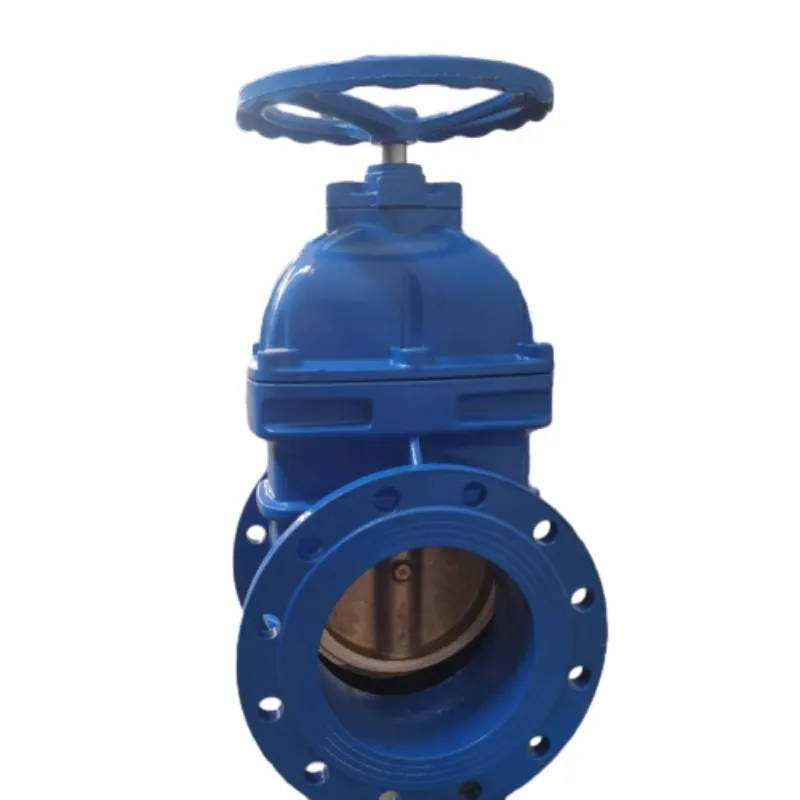
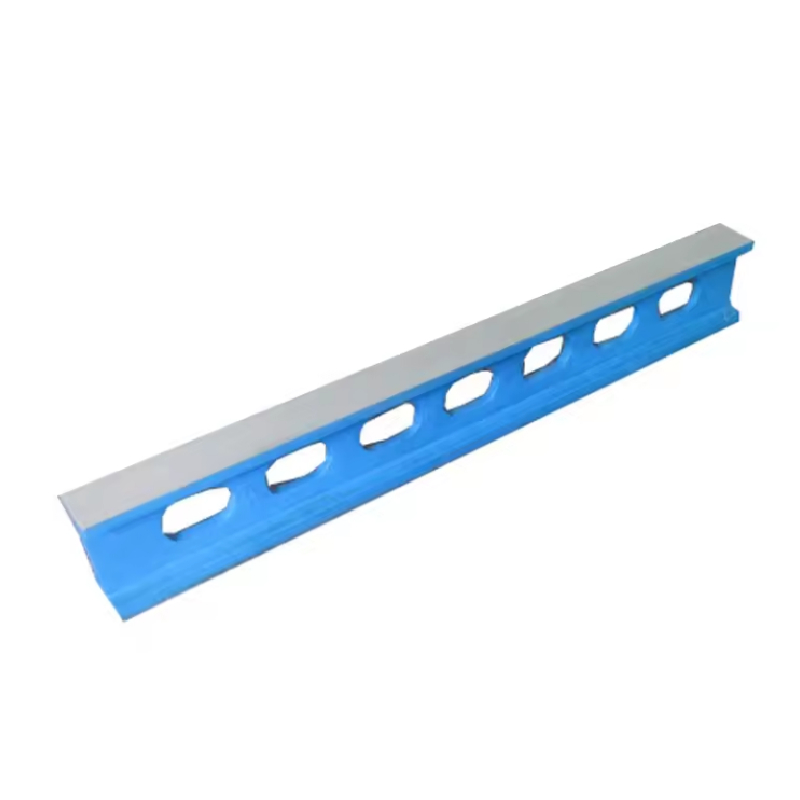
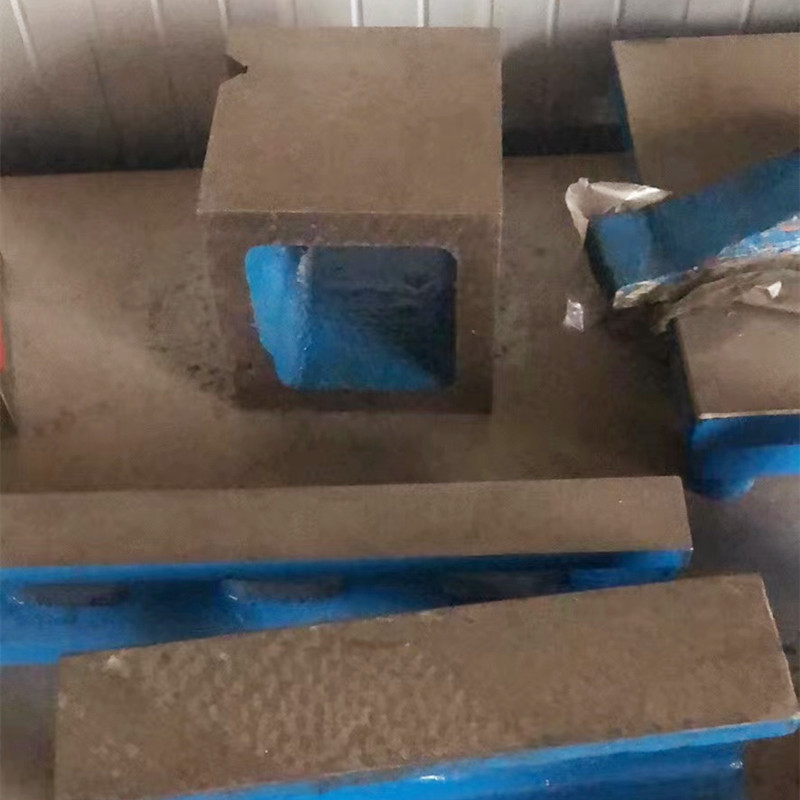

news and information
Válvula de cierre
Válvulas de Globo Importancia y Aplicaciones Las válvulas de globo son componentes esenciales en num

valve water
Understanding Valve Water The Key to Efficient Water Management Water is one of the most vital resou
Versatile 3x4 Welding Table for Precision Projects and Durable Fabrication
3x4 welding table .
 English